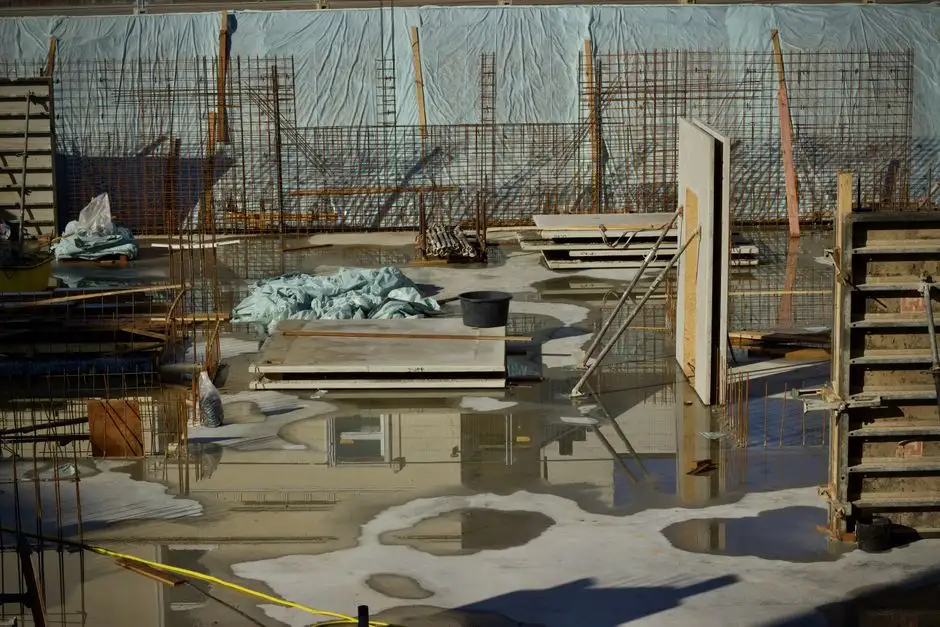
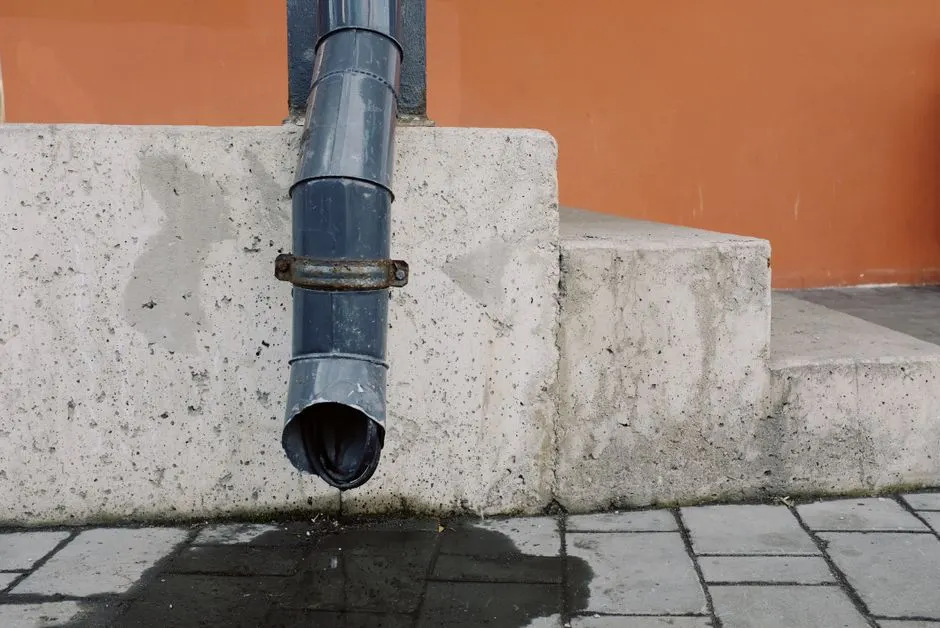
We remove water and restore a safer, drier basement

Basement Flood Damage Cleanup in Ohio

Basement Flood Damage Cleanup in Ohio helps homeowners facing stormwater, sewer backup, burst pipes, or a failed sump pump. We extract standing water, identify wet materials, and set up drying equipment to limit further damage. If your basement is soaked after heavy rain or a plumbing failure, our team handles the cleanup and explains the next practical steps.

Ohio Basement Water Removal Pros serving Ohio
Careful work. Honest options.
About this service

Basement Flood Damage Cleanup in Ohio

Basement Flood Damage Cleanup in Ohio is a water damage restoration service that removes floodwater, contaminated debris, and excess moisture after a basement flood. We inspect the source, extract standing water, sort salvageable contents from damaged materials, and measure moisture in floors, walls, and framing. The right sequence matters: water left beneath flooring or inside drywall can support microbial growth even after the visible puddles disappear. We use moisture meters and thermal imaging cameras to guide removal and drying rather than relying on touch or surface appearance.

Ohio homes face basement flooding from intense rain, snowmelt, groundwater seepage, sump pump failure, blocked discharge lines, sewer backup, and burst basement water pipes. A practical Ohio cleanup and drying for a flood-damaged basement starts by identifying whether the water is clean, gray, or sewage-contaminated, because that changes protective equipment and material handling. We contain the work area, extract water, clean affected surfaces, and dry retained materials. If floodwater entered overnight, prompt action reduces how long wet drywall and stored belongings remain exposed.

  • ✓ Water Out, Not Spread
  • ✓ Moisture Checked Properly
  • ✓ Contamination Managed
  • ✓ Clear Next Steps
What's included

What Basement Flood Cleanup Includes

Our cleanup covers water-source assessment, extraction, affected-material review, surface cleaning, drying setup, and moisture checks. We separate clean-water losses from sewage or other contaminated flooding because protection and disposal requirements differ. If a damaged pipe, sump pump, or foundation opening caused the flood, stopping that source is essential. Reconstruction, plumbing repair, and replacement of finished materials are handled as distinct repair work after cleanup findings are clear.

01
✓

Water Source Assessment

We identify visible entry points and ask what happened before the water appeared. Stormwater intrusion, groundwater seepage, sump pump discharge blockage, and a burst pipe each call for a different response. Finding the likely source helps prevent cleanup from being treated as complete while water continues to enter.

02
✓

Standing Water Extraction

We pump or extract pooled water from floors, carpet, and accessible low areas. Equipment choice depends on depth, debris, and room access. Removing bulk water first makes it possible to inspect the floor and lower walls, where damage can otherwise remain hidden.

03
✓

Debris and Material Handling

We sort affected contents and building materials by condition and contamination. Saturated porous items that cannot be safely cleaned are removed from the work area; salvageable hard items are cleaned as appropriate. Containment and protective equipment help keep debris from spreading into unaffected parts of your home.

04
✓

Cleaning and Disinfection

We clean affected surfaces with products suited to the water category and material. For sewage or outdoor floodwater, EPA-registered disinfectants are used according to label directions. This step follows extraction and removal, so the cleaning solution reaches the surfaces that need treatment.

05
✓

Drying and Moisture Checks

We position air movers and dehumidifiers to dry retained materials, then record follow-up readings. A basement can need several days of active drying, depending on temperature, humidity, and construction. We use the readings to determine when equipment can be removed and repair work can move forward.

How it works

What Happens During Cleanup

We identify the water source, depth, and likely category, then check electrical hazards and access routes before moving equipment. Our crew protects unaffected areas with polyethylene sheeting and water-resistant containment barriers when needed. This first assessment usually takes 30 to 60 minutes, depending on basement size and the number of rooms involved.

We remove pooled water with submersible water pumps, truck-mounted extraction units, or wet/dry vacuums selected for the volume and access. In a typical residential basement, extraction can take two to six hours; a deep flood or sewer backup takes longer. You will see the water level drop before we begin detailed surface cleaning.

We check flooring, drywall, insulation, and stored items for saturation and contamination. Wet porous materials that cannot be cleaned safely are separated and removed; sound structural materials are retained when readings and condition support drying. We keep the work area controlled and explain each removal decision so you can follow the repair plan.

Our technicians clean affected hard surfaces with appropriate antimicrobial cleaners and position industrial air movers and commercial dehumidifiers to move moisture out of the space. Equipment placement matters: airflow must reach wet surfaces without spreading contamination. We record baseline readings and return to adjust the setup as the materials dry.

We recheck moisture readings in floors, framing, and retained drywall, then compare them with the initial map. Drying often takes three to five days, with longer periods for dense materials or cool, damp weather. We review the results with you, remove drying equipment when readings support it, and identify any remaining repair work.

Basement Flood Damage Cleanup
STEP 01Inspect and Protect

We identify the water source, depth, and likely category, then check electrical hazards and access routes before moving equipment. Our crew protects unaffected areas with polyethylene sheeting and water-resistant containment barriers when needed. This first assessment usually takes 30 to 60 minutes, depending on basement size and the number of rooms involved.

Tools & methods

Equipment and Cleanup Methods

01
✓

Submersible water pumps

We use pumps to lower deeper standing water before detailed extraction. Pump capacity and placement depend on depth, debris, and safe discharge access, allowing the crew to clear a flooded basement efficiently.

02
✓

Truck-mounted extraction units

High-volume extraction helps remove water from larger areas and wet carpet. We use it after assessing access and water conditions, then follow with close-range extraction in corners and around fixed equipment.

03
✓

Moisture meters

Moisture meters provide readings in flooring, drywall, and framing. We compare affected points with drier reference areas to track change and support decisions about continued drying or material removal.

04
✓

Dri-Eaz dehumidifiers

Dri-Eaz equipment removes water vapor from the basement while air movers circulate air across wet surfaces. We size and position equipment according to the room layout and recorded moisture conditions.

05
✓

HEPA air scrubbers

HEPA air scrubbers help manage airborne dust and particles during controlled removal work. We use them when the work area and material conditions call for additional air filtration and containment.

Real results

Before and after.

Sump Failure After Heavy Rain
Basement Flood Damage Cleanup

Sump Failure After Heavy Rain

A sump pump failure left roughly 2 inches of water across a 450-square-foot storage basement. Cardboard boxes had absorbed water, the lower drywall felt soft, and the homeowner could not tell whether the sump discharge was still blocked. The floor looked wet throughout, but the heaviest pooling was around the utility corner.

After: We extracted the standing water, removed saturated cardboard, and mapped moisture along the lower walls. Two air movers and a dehumidifier ran during the initial drying phase, with readings checked again after 24 hours. The utility area was clear enough for pump and discharge repairs to proceed without standing water.

Book this service →
Sewer Backup in Laundry Room
Basement Flood Damage Cleanup

Sewer Backup in Laundry Room

A backup spread contaminated water over about 120 square feet of laundry-room flooring. Rugs and stored fabric were wet, and the homeowner had tracked through the area before recognizing the source. The floor drain remained the suspected point of entry, so ordinary surface wiping would not address the contaminated porous materials.

After: We isolated the work area, removed affected rugs and other unsalvageable porous items, and extracted remaining water. Hard surfaces were cleaned with an appropriate disinfectant, then the room was checked for moisture before drying equipment was positioned. The customer had a clear separation between contaminated debris and the cleaned area.

Book this service →
Burst Pipe Behind Finished Wall
Basement Flood Damage Cleanup

Burst Pipe Behind Finished Wall

A leaking pipe soaked carpet and the bottom edge of a finished wall in a 300-square-foot basement room. The visible puddle was small, but carpet padding held water and the wall showed a darker band near the baseboard. The homeowner needed to know whether the damage had reached the wall cavity.

After: After the leak was stopped, we extracted water from the carpet and checked the wall and floor with moisture meters. The readings identified a wet section that needed controlled opening; the remaining retained materials were dried with targeted airflow and dehumidification. Follow-up readings after 48 hours documented progress for the repair stage.

Book this service →
Problems we solve

Problems Our Cleanup Resolves

Floodwater damages more than the visible floor. It can soak stored belongings, wick into drywall, and leave moisture behind trim or under flooring. We trace the affected area, remove water and unsalvageable debris, and set a drying plan. That is the practical route for basement flood damage removal and cleanup Ohio homeowners need after a storm or plumbing failure.

Ask a pro →
01

Standing stormwater spreading from the foundation wall

We extract pooled water, inspect the entry area, and map moisture in nearby walls and floor edges. Our crew cleans affected surfaces and places drying equipment where readings show retained moisture. If water is still entering, we explain the source issue that must be corrected to prevent a repeat.

↗
02

Sump pump failure during a prolonged rainstorm

We pump out standing water, clear affected contents from the work area, and check surfaces for hidden moisture. We also identify visible pump or discharge concerns for follow-up repair. Once the source is controlled, drying equipment helps protect retained flooring and framing from prolonged dampness.

↗
03

Sewer backup contaminating finished basement surfaces

We establish containment, wear protective equipment, remove contaminated porous materials, and clean affected hard surfaces with appropriate disinfectants. We keep clean areas separate from the work zone and address the visible contamination before setting drying equipment. Plumbing service is needed to stop an active backup.

↗
04

Burst water pipe soaking walls and stored belongings

After the leak is stopped, we extract water and inspect the lower wall, floor edge, and nearby contents. Moisture readings guide whether materials can dry in place or require removal. We then set air movement and dehumidification to reduce retained moisture and verify progress.

↗
Proof you can check

Training and Work Standards

  • Water Damage Restoration Technician (WRT) · Institute of Inspection, Cleaning and Restoration Certification
  • Applied Structural Drying (ASD) · Institute of Inspection, Cleaning and Restoration Certification
  • Applied Microbial Remediation Technician (AMRT) · Institute of Inspection, Cleaning and Restoration Certification
  • OSHA 10-Hour Construction Safety · Occupational Safety and Health Administration
Good questions

Basement Flood Cleanup Questions

+18668968166 →

Basement flood damage cleanup includes inspection, water extraction, affected-material assessment, surface cleaning, drying equipment setup, and moisture checks. We also identify the likely source, such as stormwater intrusion or a failed sump pump, because that affects the cleaning plan. Contaminated water requires appropriate protective gear and disinfection. Repairs to plumbing, foundation, or finished surfaces are separate work when the source or structural damage requires them.

Start water removal as soon as it is safe, ideally within 24 hours of the flood. Wet drywall, carpet, and stored contents deteriorate with prolonged exposure, while hidden moisture can remain after surface water is gone. If water is near outlets or appliances, stay out until the electrical hazard is controlled. We prioritize extraction, contamination control, and drying based on the water source and conditions.

Yes, we inspect damaged materials and remove porous items that are saturated or contaminated and cannot be cleaned safely. The decision depends on water category, material type, exposure time, and moisture readings. Some framing or hard surfaces can remain after cleaning and drying; soaked insulation or contaminated drywall often needs removal. We explain what we are taking out and why before that work proceeds.

Typical 2026 cleanup pricing ranges from about $500 to $6,000 for many residential jobs, with larger or sewage-contaminated losses costing more. The main factors are water depth, affected square footage, contamination, material removal, access, and drying duration. A simple pump-out costs less than a finished basement requiring controlled demolition and several days of dehumidification. We provide upfront pricing for the agreed work.

Ready when you are

Get Basement Flood Damage Cleanup in Ohio

Standing water and damp materials need prompt attention. Call our team at +18668968166, tell us what caused the flood, and we will discuss the cleanup steps and upfront pricing. Our technicians handle extraction, debris, cleaning, and moisture checks across Ohio.

Call for Cleanup +18668968166 →
Request an appointment

Contact Our Ohio Team

Call Ohio Basement Water Removal Pros at +1 866-896-8166 when water enters your basement; we take calls 24/7 and route requests to independent companies serving Ohio. Tell us your community, whether water is still coming in, and if sewage may be involved. You can also email info@ohiobasementwaterremovalpros.com with your contact details and a short description.

Request received — our team will be in touch shortly.
↗
Emergency?Call now