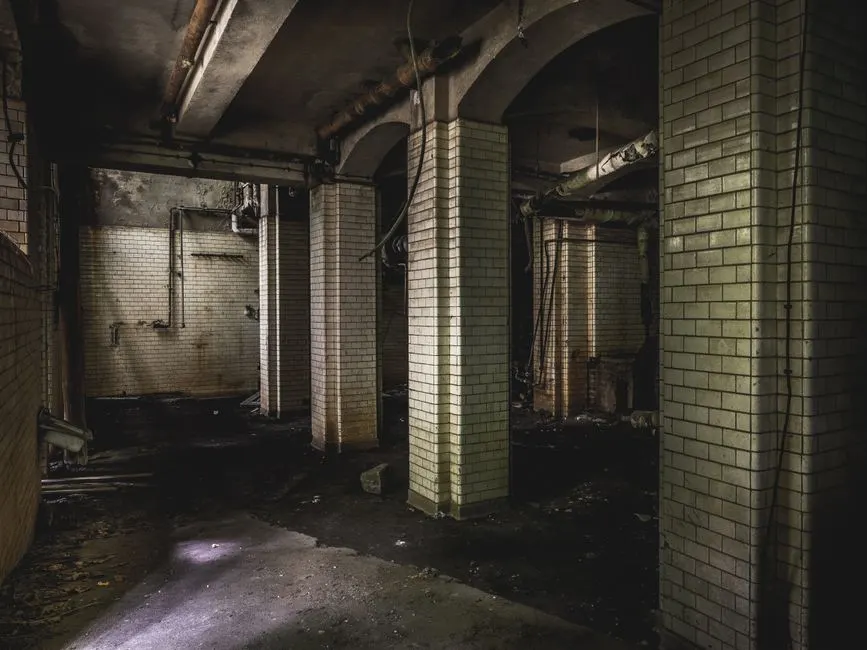
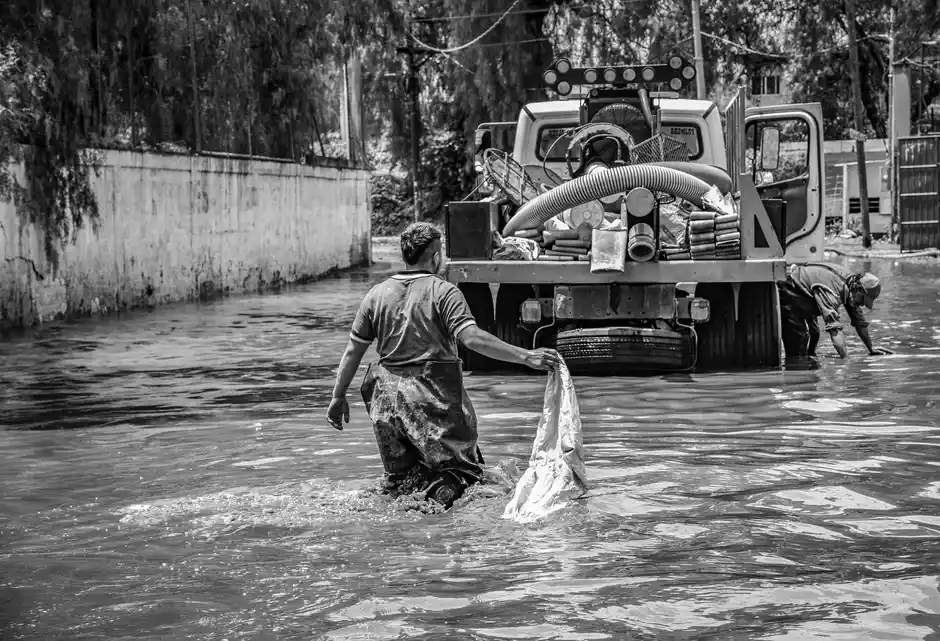
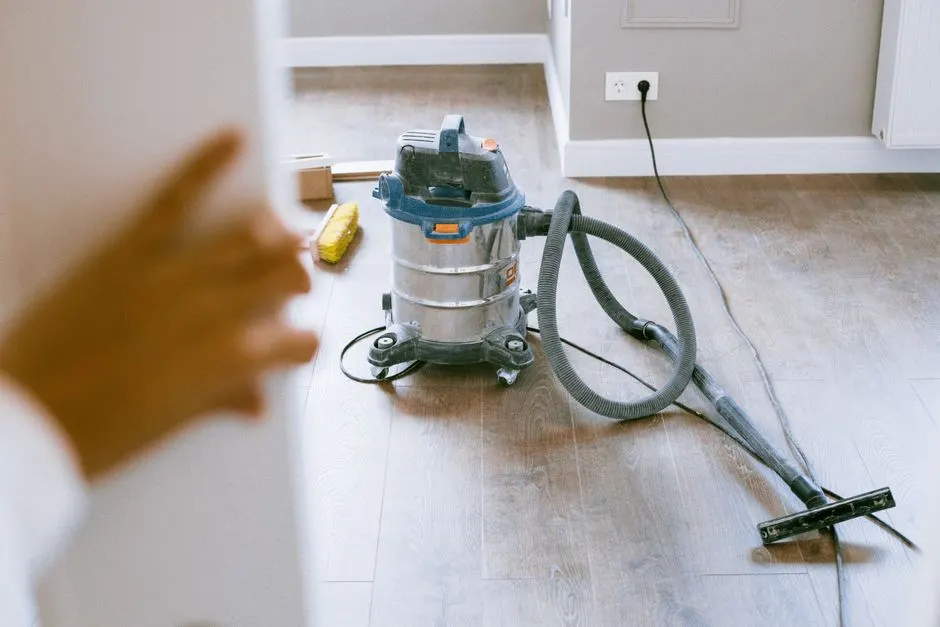
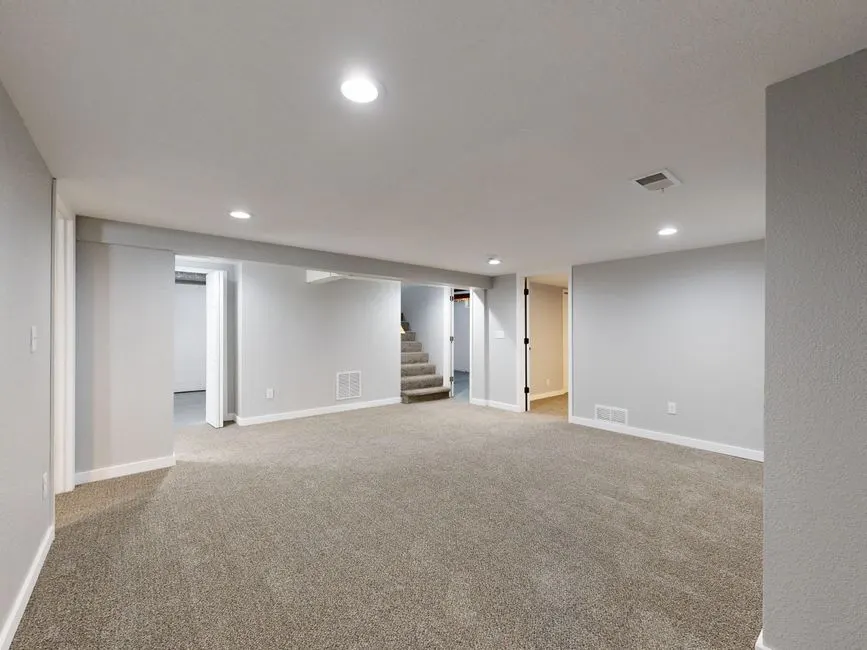
We remove water, dry materials, and protect your basement

Basement Water Damage Restoration in Ohio

Basement Water Damage Restoration in Ohio helps homeowners recover after stormwater intrusion, a failed sump pump, burst pipes, or sewer backup. We remove standing water, identify wet materials, and set drying equipment based on measured moisture, not guesswork. Our team serves homes across Ohio, from older basements with stone or block foundations to finished lower levels, and coordinates the cleanup steps that help you return the space to safe use.

Basement Water Damage Restoration by Ohio Basement Water Removal Pros
Careful work. Honest options.
About this service

Basement Water Damage Restoration in Ohio

Basement Water Damage Restoration in Ohio is a property recovery service that removes unwanted water, cleans affected surfaces, and dries building materials after a basement flood or leak. We start by finding the water source and documenting affected rooms, then extract water and check floors, wall cavities, framing, and stored belongings. Moisture meters and thermal imaging cameras help us locate hidden wet areas. The drying plan depends on the water category, material type, and readings, so equipment placement changes as conditions change.

Ohio homes face a mix of winter pipe breaks, spring runoff, summer downpours, and groundwater seepage around foundations. A sump pump discharge blockage or power interruption can turn a modest storm into a soaked finished basement; sewer backup requires additional containment and sanitation steps. Our Ohio basement water damage restoration services address those distinct conditions, including basement water damage restoration company near me in Ohio searches from homeowners who need a local crew to assess damage and begin extraction.

  • ✓ Water Out Quickly
  • ✓ Measured Structural Drying
  • ✓ Cleaner, Safer Surfaces
  • ✓ A Clear Repair Path
What's included

What Restoration Work Includes

Basement restoration covers source assessment, water extraction, cleaning of affected surfaces, structural drying, and moisture checks. We tailor the work to whether water came from a supply pipe, stormwater, groundwater, or a sewer line. Removal of damaged building materials and finish reconstruction are determined by condition; we explain those repair steps separately so you know what drying can resolve and what requires replacement.

01
✓

Water Source Assessment

We trace the likely entry point and check whether water is still coming in. The inspection looks at plumbing, sump equipment, floor drains, and foundation areas. Identifying the source helps us choose the right cleanup controls and reduces the chance that a fresh leak undermines drying work.

02
✓

Extraction and Debris Removal

We pump or extract standing water, then remove loose debris and materials that cannot be cleaned or dried safely. Equipment selection depends on water depth and access. We protect unaffected areas where practical and keep the extraction route clear as the basement level drops.

03
✓

Cleaning and Surface Treatment

We clean affected hard surfaces and use suitable disinfectants or antimicrobial cleaners when the water source and material call for them. Product use follows label directions and applicable EPA requirements. Sewage or contaminated floodwater receives more restrictive handling than a clean supply-line leak.

04
✓

Drying and Moisture Checks

Air movers and dehumidifiers remove moisture from the room and affected materials. We take readings at multiple points and compare them with unaffected areas, then adjust equipment placement. The goal is verified drying, not simply a floor that feels dry underfoot.

05
✓

Repair Recommendations

At the end of drying, we identify materials that can remain and those that need replacement. Saturated insulation or damaged drywall may not return to service through drying alone. We explain the affected locations and the practical sequence for restoring your basement finishes.

How it works

What To Expect During Restoration

We ask what happened, inspect the affected rooms, and identify immediate hazards such as electrical equipment near water or a continuing plumbing leak. The first visit often takes 30 to 90 minutes, depending on access and room count. We protect unaffected areas with polyethylene sheeting where needed and establish safe entry before moving equipment.

Our team traces the source to a burst pipe, plumbing leak, sump pump failure, or exterior intrusion. We coordinate the appropriate trade work when a plumbing repair is needed and check whether water is still entering. If a pump has failed, we inspect the discharge path and check valve before the same problem repeats.

We choose submersible water pumps, truck-mounted extraction units, or portable extractors according to depth, access, and debris. Wet/dry vacuums handle smaller pockets and edges that larger equipment cannot reach. You will see water levels drop first; then we remove saturated debris and document materials that need further evaluation.

We clean salvageable surfaces, apply suitable antimicrobial cleaners when conditions call for them, and position air movers and dehumidifiers. Drying commonly continues for 3 to 5 days, with readings checked as the materials lose moisture. We adjust airflow rather than leaving equipment untouched, especially around wall cavities and enclosed corners.

We compare final moisture readings with unaffected reference materials and walk through the results with you. If drywall, insulation, or flooring remains damaged, we identify the repair area and explain the sequence for restoring the room. You finish with a clearer record of what was dried, what was cleaned, and what still needs rebuilding.

Basement Water Damage Restoration
STEP 01Inspect and Protect

We ask what happened, inspect the affected rooms, and identify immediate hazards such as electrical equipment near water or a continuing plumbing leak. The first visit often takes 30 to 90 minutes, depending on access and room count. We protect unaffected areas with polyethylene sheeting where needed and establish safe entry before moving equipment.

Tools & methods

Tools and Drying Methods

01
✓

Submersible water pumps

We use pumps to lower deeper standing water efficiently, then switch to extraction equipment for shallow water and edges. Safe placement and discharge routing matter, especially when the basement is still taking on water.

02
✓

Truck-mounted extraction units

High-capacity extraction helps remove water from accessible residential areas quickly. We use it where hose access and the water volume make it suitable, then check corners and low spots with smaller tools.

03
✓

Moisture meters and thermal imaging cameras

These tools help us identify damp materials and temperature patterns that warrant closer inspection. We verify suspected wet areas with direct moisture readings rather than relying on an image alone.

04
✓

Dri-Eaz dehumidification equipment

Commercial dehumidifiers remove moisture from the air as wet materials release it. We size and position equipment for the affected space, then adjust the drying setup as readings and room conditions change.

05
✓

HEPA air scrubbers

We use air scrubbers when the work creates airborne dust or the affected area needs controlled air filtration. Placement and operation depend on the cleanup task and whether containment is established.

Real results

Before and after.

Sump Overflow After Rain
Basement Water Damage Restoration

Sump Overflow After Rain

A failed sump pump left about 2 inches of water across a storage section and the lower edge of a finished wall. Cardboard boxes had collapsed, and the floor looked dry near the doorway while water remained in a low corner. The homeowner also reported the pump had been cycling without clearing the pit.

After: We pumped out standing water, removed wet debris, and placed drying equipment across the affected area. Moisture readings were checked over 4 days, including the wall base and adjacent framing. The floor was dry at verification, and the blocked discharge condition was identified for correction before the next storm.

Book this service →
Burst Pipe in Utility Room
Basement Water Damage Restoration

Burst Pipe in Utility Room

A supply line leak wet the utility-room floor and soaked drywall behind a washer. The visible stain covered less than 3 square feet, but water had traveled along the wall and reached stored items. The leak was stopped before restoration began, leaving the room ready for extraction and inspection.

After: We extracted the pooled water, checked the wall and floor with moisture meters, and dried the affected structure over 3 days. Wet drywall was marked for repair, while adjacent framing readings returned to the surrounding baseline. The homeowner received a defined repair area rather than a guess based on the stain.

Book this service →
Stormwater Across Finished Floor
Basement Water Damage Restoration

Stormwater Across Finished Floor

After intense rainfall, roughly 1 inch of water covered a finished basement floor and reached an area rug and several furniture legs. The source appeared near a foundation corner, and the damp smell remained after water was pushed toward a drain. The wall cavity had not yet been checked.

After: We extracted water, removed the wet rug, and assessed the lower wall and nearby flooring for hidden moisture. Air movers and dehumidification ran for 5 days with readings taken during follow-up checks. The affected area dried, and the entry point was documented for separate exterior drainage attention.

Book this service →
Problems we solve

Problems Ohio Basement Restoration Solves

Water below grade can spread behind walls, under flooring, and into stored belongings before the full extent is visible. We find the source, remove water, and measure affected materials so the next steps address the actual damage. Calling early helps limit the time wet materials remain in place.

Ask a pro →
01

Stormwater pushes through foundation joints after intense rainfall.

We extract water, remove wet debris, and check wall bases and nearby framing with moisture meters. Our team dries salvageable materials and flags areas needing repair. We also inspect the likely entry path so you can address drainage or foundation concerns alongside the interior restoration.

↗
02

A sump pump fails or its discharge line becomes blocked.

We pump out the affected area, assess the sump pit and discharge route, and dry the surrounding floor and wall materials. If a replacement sump pump check valve or other plumbing work is needed, we identify the issue so the source is addressed before the next rainfall.

↗
03

A sewer backup leaves contaminated water on the basement floor.

We establish controlled access, extract wastewater, and remove materials that cannot be cleaned effectively. Our crew cleans suitable surfaces with products selected for the contamination and follows safe handling practices. After sanitation, we dry the remaining structure and verify moisture conditions.

↗
04

A burst pipe wets finished walls before the leak is noticed.

Once the plumbing leak is controlled, we map the affected area, extract pooled water, and check concealed edges with moisture meters and thermal imaging. We dry materials that are salvageable and explain where opening or replacement is necessary to restore the wall correctly.

↗
Proof you can check

Training and Work Standards

  • Water Damage Restoration Technician · Institute of Inspection, Cleaning and Restoration Certification
  • Applied Structural Drying · Institute of Inspection, Cleaning and Restoration Certification
  • Applied Microbial Remediation Technician · Institute of Inspection, Cleaning and Restoration Certification
  • OSHA 10-Hour Construction Safety · Occupational Safety and Health Administration
Good questions

Basement Restoration Questions

+18668968166 →

Basement water damage restoration includes inspection, water extraction, cleaning, structural drying, and moisture verification. We first identify whether the water came from a pipe, stormwater, groundwater, or sewage because each source changes the cleanup approach. Your job may also need removal and replacement of unsalvageable drywall, insulation, or flooring. We explain which tasks address water damage and which are finish repairs, then document drying progress with moisture readings.

Start extraction as soon as it is safe, ideally within 24 hours, to limit ongoing absorption and microbial growth risk. Shut off a continuing leak if you can do so safely, and avoid walking through water near electrical equipment. Ohio basement water damage repair after a flood begins with stopping the source and removing standing water; drying and material decisions follow the inspection and moisture readings.

Yes, restoration includes water removal and drying when those steps are part of the loss. We extract standing water with pumps or extraction units, then use air movers and dehumidifiers to dry affected materials. A common residential drying period is 3 to 5 days, but readings determine when equipment can come out. Cleaning, damaged-material removal, and rebuilding are handled according to the water source and the condition of each surface.

Typical 2026 pricing ranges from about $500 to $8,000 for residential extraction, cleanup, and drying, depending on water depth, affected area, contamination, and materials. A small clean-water loss costs less than a multi-room sewer backup with removal work. We assess the affected basement and explain the price before work proceeds. Structural repairs and replacement finishes can add to the total when damaged materials cannot be dried and cleaned.

Where we deliver this service

Cities We Serve Across Ohio

Our Ohio flooded basement restoration company serves communities across the state, with crews and extraction equipment organized for local residential needs. We handle stormwater, plumbing leaks, sump failures, and sewer backups, then set drying based on measured conditions. Service coverage includes Dayton, Newark, Grove City, North Ridgeville, and Massillon, with the same clear sequence of inspection, extraction, cleaning, and verification in each city.

Ready when you are

Get Basement Water Damage Restoration in Ohio

Standing water keeps damaging materials until it is removed. Our Ohio team will help you start the next step with a focused assessment and clear work plan. Call now to discuss the leak, flood, or sump failure affecting your basement.

Call for Help +18668968166 →
Request an appointment

Contact Our Ohio Team

Call Ohio Basement Water Removal Pros at +1 866-896-8166 when water enters your basement; we take calls 24/7 and route requests to independent companies serving Ohio. Tell us your community, whether water is still coming in, and if sewage may be involved. You can also email info@ohiobasementwaterremovalpros.com with your contact details and a short description.

Request received — our team will be in touch shortly.
↗
Emergency?Call now