Residential Basement Water Removal in North Olmsted
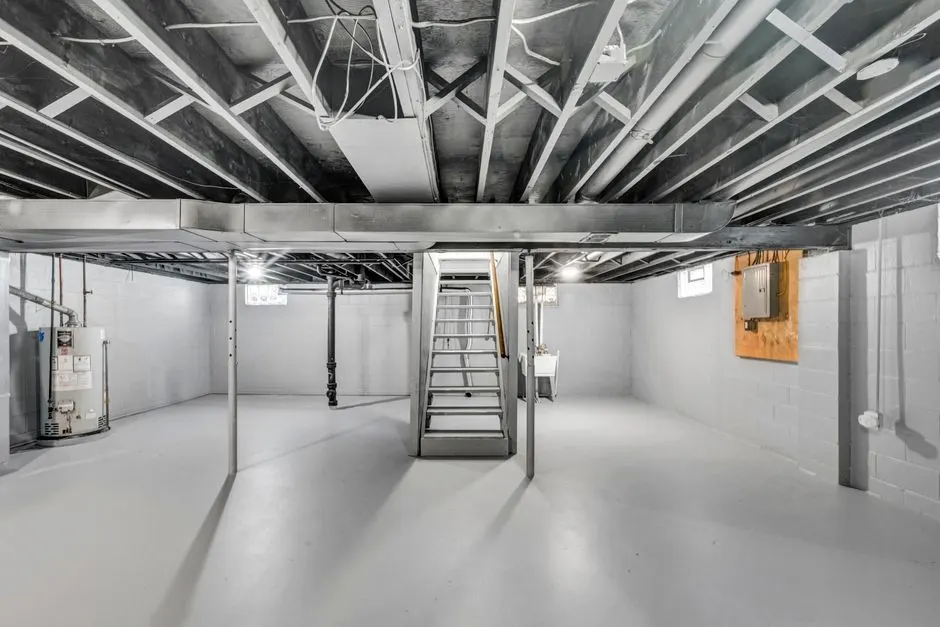
North Olmsted homeowners use basements for laundry, storage, utilities and finished family space, so water can disrupt more than a floor. A storm may leave seepage at the wall edge; a failed pump can threaten boxes and a furnace area; a plumbing leak can spread beneath carpet before you find it. We assess the affected rooms and protect dry routes through the home before extraction begins. For basement water removal services North Olmsted, Ohio, we match pumps and extractors to the depth and access, then check lower walls, trim and flooring for retained moisture. You get a clear sequence: remove water, clean affected surfaces, dry materials that can be retained and identify anything needing removal. We keep the work area organized so you can understand what is happening in your home without guessing.
We remove water from finished rooms in North Olmsted and check carpet edges, baseboards and lower drywall for moisture that is not visible on the surface. Our crew protects an accessible route through the home, moves affected contents as needed and sets drying equipment where readings show it will help.
If your North Olmsted sump stops during rain, we pump standing water, inspect the visible basin and check whether discharge is obstructed. We assess nearby stored items and flooring, then track moisture after extraction. The cleanup does not replace a needed pump or plumbing repair, but it gets the basement moving toward dry.
After a pipe leak in your North Olmsted home is shut off, we extract water from the floor and assess the route into walls, carpet and storage areas. We use moisture readings to set drying equipment and identify materials that need removal. That reduces guesswork about what remains wet behind trim.
Water left behind can create a musty odor even after the puddle is gone. In North Olmsted, we clean appropriate hard surfaces, remove wet debris and dry the affected area rather than masking the smell. If the water was contaminated, we use containment and cleaning procedures suited to the source.
- A clear account of what is wet, what can dry in place and what needs removal.
- Protected access to utility areas and dry rooms while pumps and drying equipment run.
- Moisture readings that show progress instead of relying on touch or appearance alone.