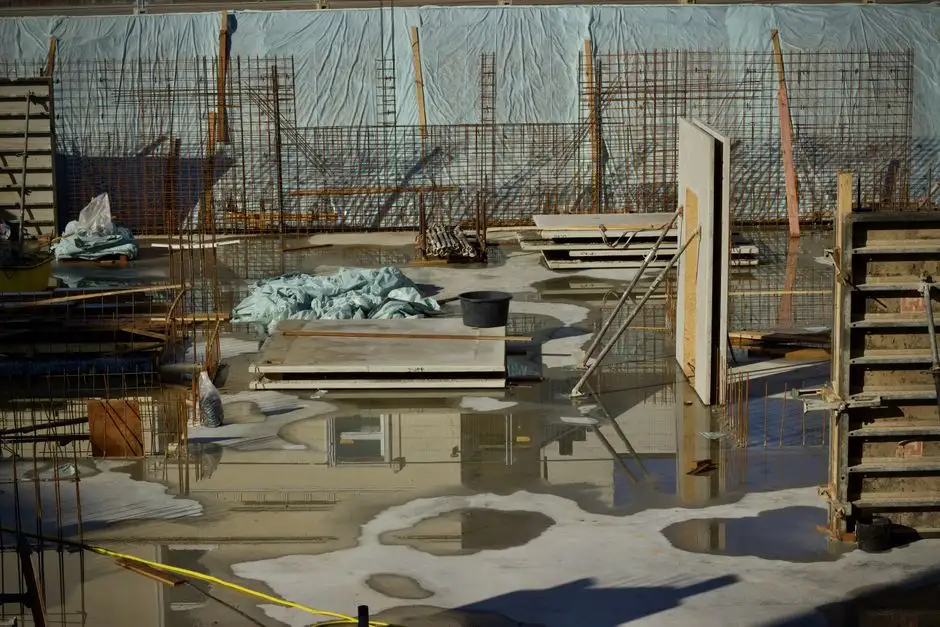
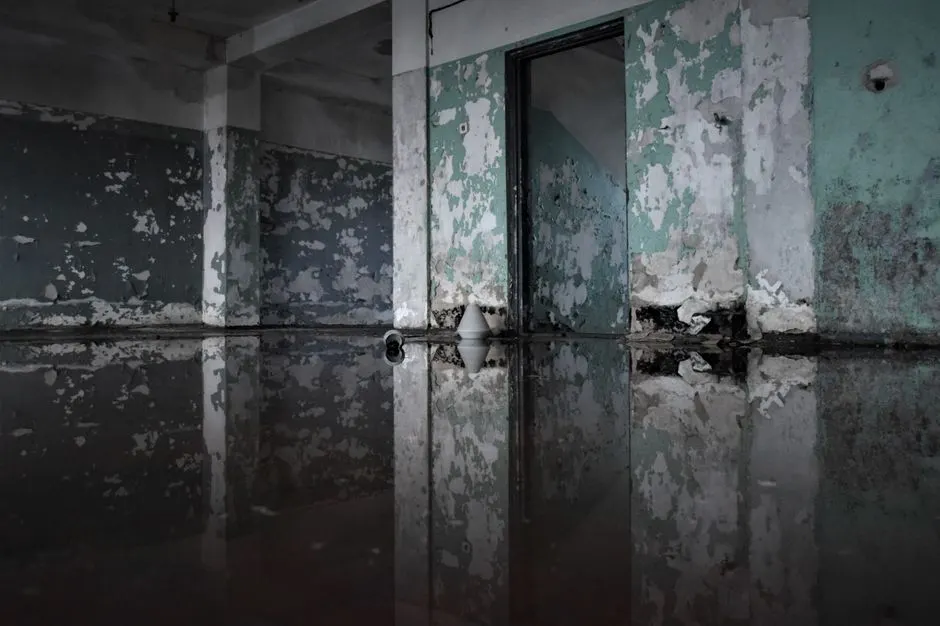
We pump out flooded basements and start drying fast
Emergency Basement Water Extraction in Ohio
Emergency Basement Water Extraction in Ohio gets standing water out of your basement and starts controlled drying before moisture spreads into walls, flooring, and stored belongings. If a storm, broken pipe, sewer backup, or failed sump pump has flooded your home, our crew identifies the water source, removes accessible water, and checks for hidden dampness. Our emergency basement water removal approach is built for homeowners and property managers who need practical action, day or night.
Emergency Basement Water Extraction in Ohio is an emergency water damage service that removes standing water from basements and begins drying after flooding or a plumbing failure. We first assess the water depth and source, then use pumps or extraction equipment suited to the floor and water category. After the bulk water is removed, moisture meters help us check drywall, trim, and other materials that can hold water below the surface. The goal is to limit secondary damage and give you a clear next step, not simply leave a wet floor looking cleaner.
Ohio homes face different basement water problems through the year: winter freeze-thaw cycles can stress pipes and foundations, while spring storms can overwhelm drains and sump systems. Groundwater seepage, stormwater intrusion, sump pump failure, and plumbing leaks each call for a different response. Our Ohio emergency basement water extraction starts by finding the likely entry point and separating clean water from contaminated water. If you are searching for 24/7 emergency basement water extraction in Ohio, call us as soon as it is safe to do so.
Emergency extraction covers the initial water assessment, bulk water removal, and checks for visible and concealed moisture in the affected area. The exact cleanup steps depend on the source and water condition. We explain the immediate work and upfront pricing before proceeding; structural repairs, plumbing work, and replacement of damaged finishes are separate follow-on tasks when needed.
01
✓
Water Source Assessment
We identify the likely source, note active flow, estimate affected rooms, and consider whether the water is clean or contaminated. This determines safe access and equipment needs. If a plumbing leak is still active, we help identify the appropriate shutoff point when it can be reached safely.
02
✓
Standing Water Removal
We remove pooled water with pumps or extraction units selected for the volume and access route. After bulk removal, we work over low spots and floor edges where water remains. Our aim is to leave no visible standing water in the accessible affected area.
03
✓
Moisture Checks
We check affected materials with moisture meters and look closely at lower drywall, trim, and floor transitions. These readings help distinguish a surface that looks dry from one still holding moisture. You receive a practical explanation of areas that need continued drying or further inspection.
04
✓
Immediate Cleanup Guidance
We explain cleaning and drying needs based on the water source and affected materials. Where conditions call for it, we use appropriate disinfectants and controlled work practices. You also learn what follow-up trade or repair may be needed for a failed sump system, pipe, or drain.
How it works
What Happens During Service
When you call, tell us where the water is, its approximate depth, and whether it came from a drain, pipe, storm, or sump system. We ask about electrical hazards and access before giving immediate safety guidance. A response-time estimate is shared during the call; actual arrival varies with distance, weather, and active road conditions.
On arrival, we inspect the water source, affected rooms, and safe access routes. We identify standing water depth, note vulnerable contents, and check whether power or a plumbing source needs to be shut off by the appropriate professional. This first assessment usually takes 20 to 45 minutes for a typical residential basement, depending on layout and contamination concerns.
We select submersible pumps, truck-mounted extraction units, or portable extractors according to water volume and the route to discharge. Wet/dry vacuums handle smaller pools and edges after bulk pumping. We protect walkways, move reachable items with your direction, and keep equipment hoses controlled so the extraction work does not create a second mess.
Once water is removed, we clean affected hard surfaces and set air movers and dehumidification where the materials require drying. Contaminated water calls for containment and appropriate antimicrobial treatment. Drying often takes 2 to 5 days, with conditions, construction materials, and moisture readings guiding equipment adjustments.
We compare moisture readings across affected and unaffected areas, inspect edges and concealed-risk locations, and explain any remaining wet materials. You receive a clear account of completed extraction and the next steps for repairs or further restoration. If the source was a failed sump pump or plumbing leak, we identify the repair trade needed to prevent repeat flooding.
STEP 01Initial Call
When you call, tell us where the water is, its approximate depth, and whether it came from a drain, pipe, storm, or sump system. We ask about electrical hazards and access before giving immediate safety guidance. A response-time estimate is shared during the call; actual arrival varies with distance, weather, and active road conditions.
Tools & methods
Equipment And Extraction Methods
01
✓
Submersible Water Pumps
We use pumps to move deeper standing water from accessible low areas into an approved discharge route. Pump selection depends on water volume, debris, and site conditions.
02
✓
Truck-Mounted Extraction Units
Truck-mounted units support high-volume removal when access and hose routing allow. We use them to extract water efficiently from larger flooded areas and then check remaining low spots.
03
✓
Moisture Meters
Meters help us compare moisture in drywall, trim, and other materials against unaffected areas. Readings support drying decisions and help show whether hidden dampness remains.
04
✓
Dri-Eaz Dehumidifiers
Commercial dehumidification equipment removes moisture from the air during structural drying. We pair it with air movement and adjust placement according to room conditions and progress readings.
05
✓
HEPA Air Scrubbers
Where cleanup conditions call for controlled air management, air scrubbers help capture airborne particles during work. We determine use based on the affected materials and contamination concerns.
Real results
Before and after.
Emergency Basement Water Extraction
Overnight Pipe Break
A supply line split near a laundry area and water crossed the concrete floor into a storage corner. Boxes were wet at the bottom, the lower drywall felt cool, and a shallow pool remained under the washer. The owner had stopped the leak but could not tell how far moisture had traveled.
After: We extracted the pooled water, cleared wet floor edges, and checked the lower wall and storage corner with moisture meters. The visible water was removed in about three hours; drying continued for several days based on readings. The owner could separate damp belongings from dry items and arrange the pipe repair.
Rain pushed water into a basement around the sump pit, and the discharge line was not moving water away as expected. Several inches collected near the utility area before spreading toward stored seasonal items. The pump was still cycling, but the floor remained wet.
After: We pumped out the deeper water, extracted remaining pools, and checked the immediate floor and lower trim. The main standing water was removed during the service visit, with drying equipment used where readings showed retained moisture. The homeowner then arranged a sump discharge inspection to address the likely cause.
A floor drain backed up and left dirty water across part of a finished basement. The odor persisted after the visible puddle was pushed aside, and the family had not used the room since the incident. The source had not yet been cleared.
After: We controlled access, removed the contaminated water, and cleaned suitable hard surfaces using appropriate protective measures. The visible residue and standing water were addressed, and we identified materials needing further evaluation. A drain professional cleared the source before the room was returned to regular use.
A flooded basement can damage stored belongings, finishes, and building materials while creating hazards around electrical equipment. Our emergency response removes water and identifies the conditions that make a repeat event more likely.
Groundwater rises through a basement floor after prolonged rain.
We assess water depth and entry points, pump pooled water, and check floor edges and lower walls for moisture. If seepage continues, we explain the likely next step for drainage or foundation evaluation. Extraction addresses the water present now, while source control helps reduce the chance of another event.
↗02
A sump pump fails or its discharge line becomes blocked.
We remove standing water and inspect accessible areas around the sump and discharge route. A pump specialist may need to repair or replace failed equipment, but our extraction clears the immediate flooding and checks nearby materials. We also note water depth and affected zones for follow-up.
↗03
A sewer backup leaves contaminated water across finished basement flooring.
We identify the event as a contamination concern, control access, and extract water using appropriate protective measures. We clean suitable surfaces and explain which porous materials need further evaluation. A drain or plumbing professional must address the blockage so sewage does not return after cleanup.
↗04
A burst basement pipe floods the utility room while nobody is home.
We help locate the affected zone, remove pooled water, and check floor edges and nearby materials with moisture meters. Once the pipe is shut off and repaired, we can set drying equipment according to conditions. That sequence addresses both visible water and less obvious dampness.
↗
Proof you can check
Training And Work Standards
Water Damage Restoration Technician · Institute of Inspection, Cleaning and Restoration Certification
Applied Structural Drying · Institute of Inspection, Cleaning and Restoration Certification
OSHA 10-Hour Construction Safety · Occupational Safety and Health Administration
We provide an arrival estimate during your call, and response time depends on your location, weather, road access, and active emergencies. Tell us the water depth, source, and any electrical hazards so we can plan the right equipment. While waiting, avoid entering standing water near electrical panels or outlets. If the water is from a burst pipe, shut off the supply only if you can reach the valve safely.
Ohio Basement Water Removal Pros takes emergency calls for basement water extraction and removal across Ohio. Call +1-866-896-8166 and share your city, the water source, and whether the basement is safe to enter. We can discuss the immediate situation, explain the likely response, and arrange service. Sewer backups and water near electrical equipment should be treated as urgent hazards, not ordinary cleanup.
Keep people and pets out of standing water, and shut off electricity to the affected area only if you can do so from a dry, safe location. Stop a plumbing leak at its valve if it is accessible without entering water. Move small valuables from dry areas, but do not lift heavy saturated items. Photograph visible damage from a safe spot and tell us whether the water may contain sewage.
A residential extraction commonly ranges from $500 to $3,500, with the water volume, contamination, access, and drying needs setting the final price. A small clean-water spill costs less than a deep sewer backup across several rooms. Typical 2026 pricing in this area also reflects equipment time and disposal needs. We explain upfront pricing before the work proceeds, so you can understand the immediate extraction and related cleanup charges.
Where we deliver this service
Cities We Serve Across Ohio
We coordinate emergency extraction across Ohio, from southwest communities to the northeast shore and northwest cities. The same service is adapted to each property's water source, basement layout, and storm conditions. Our 24-hour basement water removal Ohio response is available for urgent calls in communities including Cincinnati, Kettering, Mentor, Hilliard, and Lima. Tell us where you are and what caused the flooding so we can plan equipment and access.
Standing water keeps soaking into materials until it is removed. Our crew handles emergency calls across Ohio and explains the next steps plainly. Call +1-866-896-8166 now with your location and water source so we can discuss getting extraction underway.
Call Ohio Basement Water Removal Pros at +1 866-896-8166 when water enters your basement; we take calls 24/7 and route requests to independent companies serving Ohio. Tell us your community, whether water is still coming in, and if sewage may be involved. You can also email info@ohiobasementwaterremovalpros.com with your contact details and a short description.