We pump out water, protect your home, and dry the structure
Basement Water Removal in Ohio for Flooded Homes
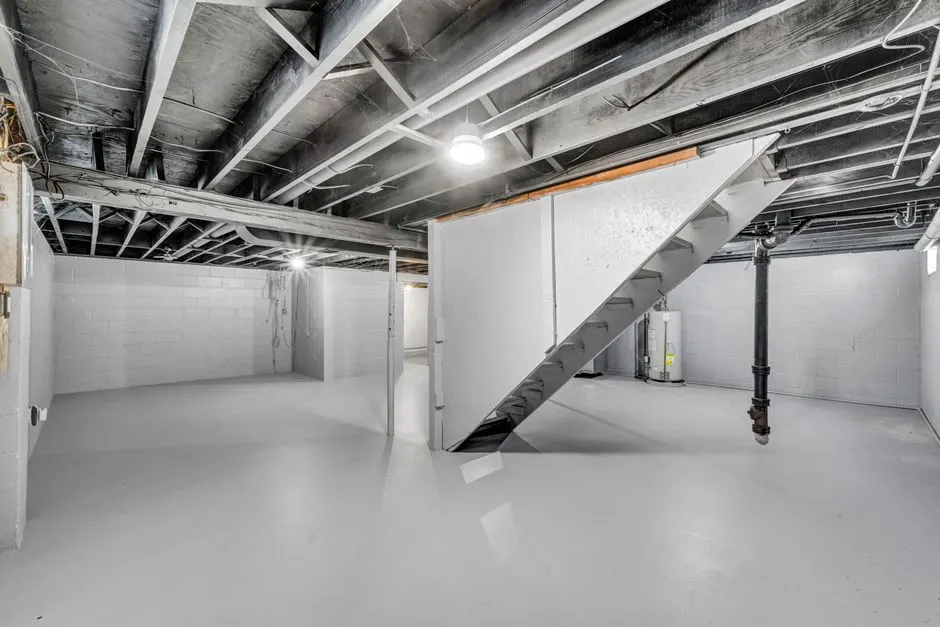
Basement Water Removal in Ohio gets standing water out of your home and starts the drying work before moisture spreads into walls, flooring, and stored belongings. We help homeowners facing stormwater intrusion, plumbing leaks, sump pump failure, or a sewer backup. Our Ohio basement water removal service begins with a safety check, water-depth assessment, and a practical plan for extraction and moisture control.
Basement Water Removal in Ohio is an emergency water mitigation service that extracts standing water and begins drying after a leak, flood, or plumbing failure. We first identify electrical hazards and the likely water source, then use pumps or extraction equipment suited to the depth and type of water. After pumping, we remove recoverable water from carpet and hard surfaces, check moisture in walls and framing, and set drying equipment where needed. Water removal is not complete when the floor looks dry; moisture readings help show whether building materials are still holding water.
Ohio homes face a mix of heavy rain, freeze-thaw cycles, groundwater pressure, and aging sump systems. A spring storm can overwhelm a sump pump, while a frozen pipe can split during a winter cold snap and release water behind finished walls. Our basement water extraction in Ohio also addresses discharge blockages and plumbing leaks that keep feeding a wet area. If you are searching for 24/7 basement water removal in Ohio, tell us the water source, approximate depth, and whether the power is safe to access.
Basement water removal covers the initial assessment, removal of standing water, appropriate surface extraction, and moisture checks that guide immediate drying. Cleaning depends on the water source and affected materials. Rebuilding, plumbing replacement, and extensive removal of damaged finishes are separate work stages, but we explain how they connect so you can plan the next move without confusion.
01
✓
Water Source Assessment
We inspect the visible water, ask when it began, and check likely sources such as a sump pit, plumbing line, floor drain, or foundation entry. Identifying whether water is still entering affects the extraction plan. We also note access and safety issues before equipment is brought into the basement.
02
✓
Standing Water Extraction
We pump pooled water and extract what remains on hard floors, carpet, and accessible surfaces. Equipment is selected according to depth and layout, and we manage hoses and cords to keep the work zone organized. Large or contaminated losses receive a different handling plan from a small clean-water leak.
03
✓
Surface Cleaning
Where the water category and material allow, we remove loose debris and clean affected surfaces after extraction. EPA-registered disinfectants and antimicrobial cleaners are applied only according to label directions and the conditions present. Porous materials that have absorbed contaminated water may need separate evaluation.
04
✓
Moisture Checks
We use moisture meters to check affected materials and compare readings with nearby dry areas. These measurements help identify water trapped at flooring edges, framing, or lower wall sections. The findings guide whether drying equipment is needed and when a follow-up check should occur.
05
✓
Drying Equipment Setup
When readings call for continued drying, we position air movers and dehumidification equipment to circulate air through the affected zone. Placement depends on room shape, material, and airflow. We explain what equipment will run, what noise to expect, and when progress will be checked.
How it works
What to Expect During the Job
We ask what happened, when water appeared, and whether it is clean water, groundwater, or sewage. On arrival, our team checks access, electrical hazards, water depth, and affected materials. A typical initial assessment takes about 20 to 45 minutes, depending on the basement layout. You will know what needs immediate attention before equipment is moved into the work area.
We isolate a plumbing leak when accessible, address a failed sump system, or identify an exterior entry point that is still feeding water. For a blocked discharge line, we check whether the pump can safely run and whether water is returning toward the foundation. If the source requires a licensed trade repair, we explain that handoff plainly while containing the active damage.
We select equipment by water depth and floor type. Submersible water pumps move pooled water, while portable extractors or wet/dry vacuums recover remaining water from surfaces and carpet. A moderate basement with several inches of water may require a few hours of extraction; deeper flooding, divided rooms, or contaminated water takes longer. We keep you clear of cords and active pumping zones.
After extraction, we remove debris and clean affected hard surfaces according to the water conditions. Where appropriate, EPA-registered disinfectants are used as directed on the product label. We position air movers and dehumidifiers to support evaporation, and moisture meters help establish readings in flooring, framing, and wall edges. You receive a practical explanation of what equipment will remain and why.
We return to check moisture readings and adjust equipment rather than assuming the basement is dry after one visit. Many residential drying jobs take roughly three to five days, depending on materials, airflow, and how long the water sat. We discuss readings, remaining wet materials, and any next service needed. If conditions change, we revise the drying setup and tell you what changed.
STEP 01Safety and Assessment
We ask what happened, when water appeared, and whether it is clean water, groundwater, or sewage. On arrival, our team checks access, electrical hazards, water depth, and affected materials. A typical initial assessment takes about 20 to 45 minutes, depending on the basement layout. You will know what needs immediate attention before equipment is moved into the work area.
Tools & methods
Equipment and Drying Methods
01
✓
Submersible Water Pumps
We use submersible water pumps to move pooled water from low areas and sump pits. Pump selection depends on water depth, debris, access, and how quickly water is entering.
02
✓
Truck-Mounted Extraction Units
Truck-mounted extraction units support high-volume jobs and remove water from accessible surfaces. They are useful when a larger basement has widespread standing water or extensive wet carpet.
03
✓
Moisture Meters
Moisture meters check water retained in flooring, drywall, and framing. We compare affected locations with nearby areas to guide drying placement and follow-up decisions.
04
✓
Commercial Dehumidifiers
Commercial dehumidifiers remove water vapor from the basement air while air movers support evaporation from damp materials. We adjust placement as readings and room conditions change.
05
✓
Dri-Eaz Equipment
Dri-Eaz restoration equipment can support extraction and structural drying, depending on the model and job needs. We choose units by water volume, room layout, and the materials being dried.
Real results
Before and after.
Basement Water Removal
Sump Failure After Heavy Rain
A failed sump pump left about three inches of water across a 450-square-foot utility basement. Cardboard boxes sat directly on the floor, and the carpet edge near the stairs was soaked. The homeowner had shut off the pump but did not know whether water remained under the carpet or at the base of the wall.
After: We removed pooled water, extracted the carpet edge, and checked the lower wall and floor at multiple points. Pumping and extraction took about four hours; drying equipment remained for follow-up checks over three days. The visible floor was cleared, affected materials were identified, and the discharge concern was recorded for repair.
A supply line leak ran behind a finished basement wall and left water across roughly 120 square feet of flooring. The pipe had been shut off, but dampness remained near the baseboard and under a storage cabinet. The homeowner could see the puddle but could not tell how far water had traveled behind the finish.
After: We extracted surface water and used moisture readings along the wall edge and nearby floor. The initial removal took about two hours, followed by drying checks over the next 48 hours. The readings identified the wettest section and helped the owner coordinate plumbing work and further evaluation of the affected finish.
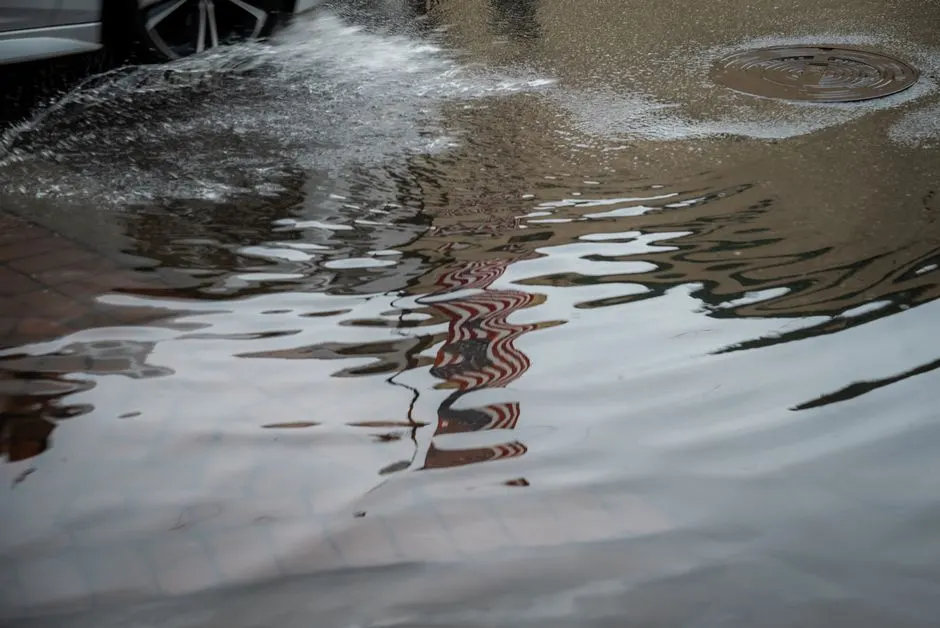
After prolonged rain, stormwater entered a basement storage room and left a shallow layer across approximately 300 square feet of concrete. Fine silt collected near the foundation wall, and several fabric items were damp. Water had slowed, but the floor remained slick and the source area was unclear.
After: We extracted the remaining water, removed loose residue, and checked the perimeter for moisture. The floor was cleared in about three hours, with additional drying checks over two days. The entry pattern was noted, and damp stored items were separated so the homeowner could decide what to retain.
Basement water spreads beyond the visible puddle through carpet, wall edges, stored materials, and gaps around utilities. The sooner we identify the source and remove standing water, the sooner we can measure the drying work that remains. These are common calls from Ohio homeowners.
Sump pump failure leaves water collecting across the basement floor.
We pump the standing water, check whether the pump discharge is blocked, and inspect the sump area for signs of failure. We then extract water left on the floor and measure nearby materials. If the pump needs repair or replacement, we identify that as the next step rather than treating extraction as a permanent fix.
↗02
Stormwater seeps through foundation joints after prolonged rainfall.
We remove pooled water, clear loose residue, and check the lower wall and floor perimeter for moisture. Our team notes where water entered and whether the area is still active. That information helps you distinguish immediate water removal from exterior drainage or foundation work needed to reduce future entry.
↗03
A burst basement pipe runs behind finished walls before detection.
Once the water source is isolated, we extract visible water and inspect surrounding surfaces with moisture readings. We identify locations that need continued drying and explain whether wet drywall or other materials require further evaluation. That lets you coordinate plumbing repair and water damage work in the right order.
↗04
Sewer backup pushes contaminated water through a basement floor drain.
We treat the event as contaminated water, restrict access to the affected zone, and use protective equipment during removal and cleaning. We extract the water and assess materials based on exposure. Tell us what came through the drain and how far it spread so we can prepare the proper cleanup approach.
↗
Proof you can check
Training and Work Standards
Water Damage Restoration Technician · Institute of Inspection, Cleaning and Restoration Certification
Applied Structural Drying · Institute of Inspection, Cleaning and Restoration Certification
Applied Microbial Remediation Technician · Institute of Inspection, Cleaning and Restoration Certification
OSHA 10-Hour Construction Safety · Occupational Safety and Health Administration
Basement water removal in Ohio starts with a safety and water-source assessment, followed by pumping, surface extraction, cleaning as appropriate, and moisture monitoring. The first inspection often takes 20 to 45 minutes; extraction can take several hours when water covers a large area. We then set drying equipment based on the materials and readings. A follow-up check commonly occurs within 24 to 72 hours to measure progress and adjust airflow or dehumidification.
Response timing depends on the active call load and travel distance, so we confirm a practical arrival window when you call. Share the water source, depth, affected rooms, and any electrical or sewage concerns; those details help us prepare. If water is rising, avoid entering it, especially near powered equipment. Our team can explain immediate safety steps while arranging the appropriate response for your home.
Crews commonly use submersible water pumps for pooled water, truck-mounted extraction units for larger jobs, and portable extractors or wet/dry vacuums for remaining surface water. Industrial air movers and commercial dehumidifiers support drying after extraction, while moisture meters track materials. Equipment choice depends on depth, access, floor covering, and water category; no single machine handles every stage.
Many straightforward residential extraction jobs fall around $500 to $2,500, while extensive or contaminated losses can exceed $5,000. Typical 2026 pricing depends on water volume, access, labor, disposal, cleaning needs, and how many drying days equipment remains onsite. We explain pricing before work proceeds and separate immediate removal from repairs or reconstruction. A small isolated plumbing leak usually costs less than several inches of stormwater across finished rooms.
Where we deliver this service
Cities We Serve Across Ohio
We provide Basement Water Removal across Ohio, with local response planning for homes in major cities and smaller communities. Our coverage includes Columbus, Youngstown, Euclid, Lancaster, and Marion. Each job is shaped by water depth, foundation type, access, and the source of the flooding. Our basement water extraction service removes standing water and identifies drying needs, whether a storm has overwhelmed a sump system or a pipe has leaked behind finished walls.
Standing water can reach drywall, stored belongings, and electrical equipment in a short time. Call our team at +18668968166 and describe the source, water depth, and any safety concern. We will help you take the next step and explain the response plan. Our technicians use moisture measurements to guide drying.
Call Ohio Basement Water Removal Pros at +1 866-896-8166 when water enters your basement; we take calls 24/7 and route requests to independent companies serving Ohio. Tell us your community, whether water is still coming in, and if sewage may be involved. You can also email info@ohiobasementwaterremovalpros.com with your contact details and a short description.