Residential Basement Water Removal in Upper Arlington
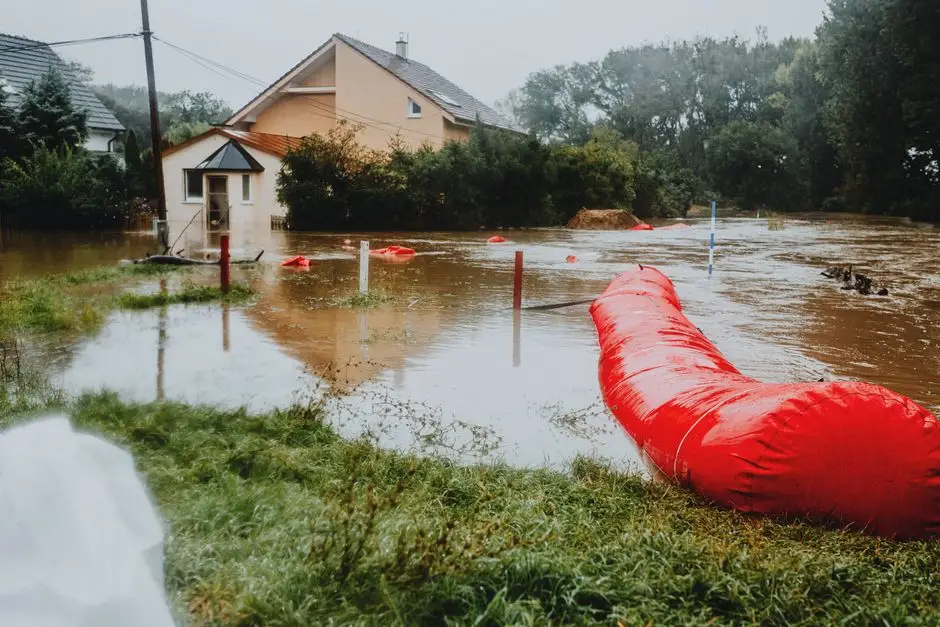
Upper Arlington homes include established houses with utility basements, storage rooms, and finished lower levels used for family space. After a storm, sump pump failure, or plumbing leak, water can reach carpet, drywall, and household belongings before the source is obvious. Our residential crews remove water, check affected materials, and set drying equipment based on the readings. basement water removal services Upper Arlington, Ohio, should account for narrow stairways, stored contents, and the need to keep the rest of your home usable. We explain where equipment will sit and what areas need to remain clear.
We extract water from finished family rooms and check carpet edges, padding, baseboards, and lower drywall for retained moisture. In Upper Arlington homes, the visible puddle may not show the full wet area. We use readings to decide where airflow and dehumidification are needed and explain which materials require further attention.
When a sump pump stops, we pump out the pit and affected floor, then inspect visible discharge conditions and nearby materials. Upper Arlington homeowners get a clear account of what failed and what requires follow-up repair. We also check whether water spread under stored items or into adjacent finished rooms.
A burst pipe or plumbing leak can damage a basement quickly, particularly near utilities or finished walls. We remove standing water, check the surrounding drywall and flooring, and support drying after the water source is isolated. We help you separate cleanup needs from the plumbing repair itself.
Sewage water requires isolation, controlled removal, and cleaning suited to contamination. We help Upper Arlington homeowners keep children and pets clear of the affected area, remove contaminated water and debris, and assess porous materials. We explain the next steps before returning the basement to normal use.
- Get standing water removed before it spreads further into carpet, drywall, stored items, and adjacent rooms.
- Use moisture readings to understand what is wet behind visible surfaces and when drying progress is measurable.
- Keep household traffic away from contaminated areas with practical separation and clear instructions during cleanup.