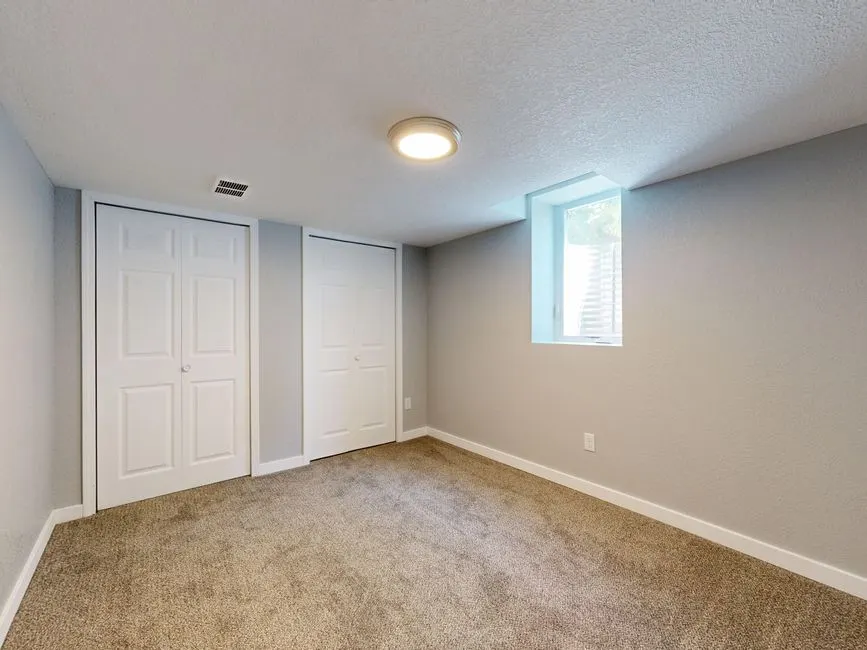
Residential Basement Water Removal in Findlay
Findlay homes use basements for laundry, utilities, storage, recreation, and finished living space, so a leak can disrupt more than the floor. Heavy rain can lead to seepage, while a sump failure or burst pipe can wet contents before anyone sees water on the stairs. Our residential crews inspect affected rooms, protect the route through your home, and remove water before checking lower walls and flooring for retained moisture. For basement water removal services Findlay, Ohio, we tailor the extraction method to the amount of water and the materials involved. You get a clear explanation of what needs drying, what can be cleaned, and whether a separate plumbing repair is needed.
We remove water from utility rooms, finished basements, and storage areas in Findlay homes. Our crew checks floor edges and lower wall sections after extraction, since moisture can travel beneath stored items or behind trim. We use equipment sized to the access route and protect the path through your living space.
If a sump pump fails during heavy rain, we pump out the affected basement and inspect visible components for a blockage or failure. We check nearby contents and materials for moisture and explain whether the source needs separate pump or plumbing repair. Fast extraction limits how long your household belongings remain wet.
A pipe leak can soak flooring and lower drywall before the source is obvious. We extract water after the leak is shut off, assess nearby materials, and position drying equipment according to moisture readings. Findlay homeowners get a practical separation between cleanup work and the plumbing repair needed to stop the leak.
We check walls, floors, and affected framing as the basement dries, rather than relying on a dry surface. Industrial air movers and dehumidification equipment are placed to suit the room layout. Repeat readings help you understand whether the drying process is progressing or whether wet materials need further attention.
- Get standing water removed before it spreads into stored belongings, lower drywall, and household utility areas.
- Know whether the source is rain, a sump issue, a sewer backup, or a plumbing leak.
- Use moisture readings and an explained drying plan to make informed decisions about repairs.